To the poles
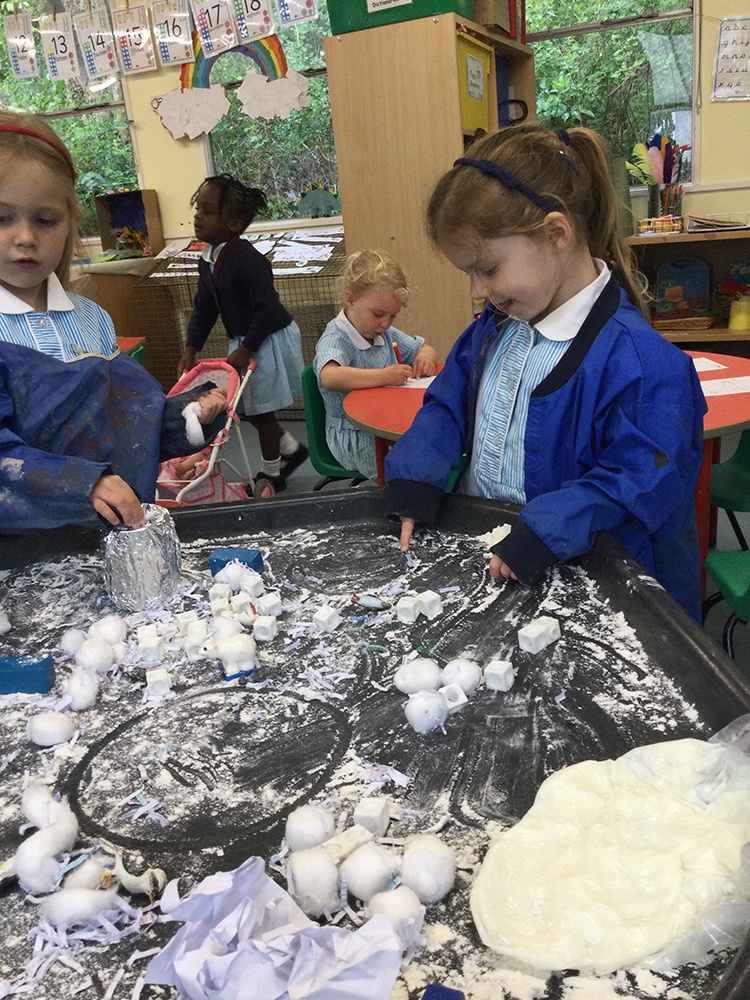
12 Jun 2026Following on from our very popular environment theme last week, we have been focusing this week’s learning on Polar Animals.
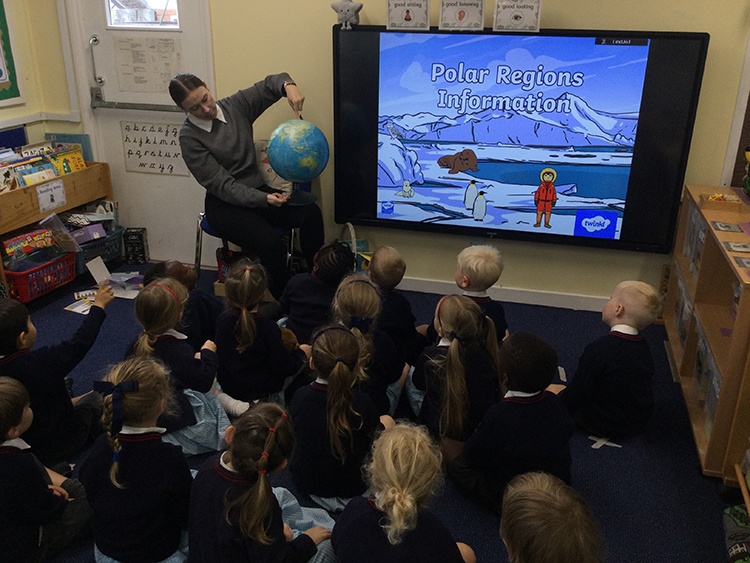
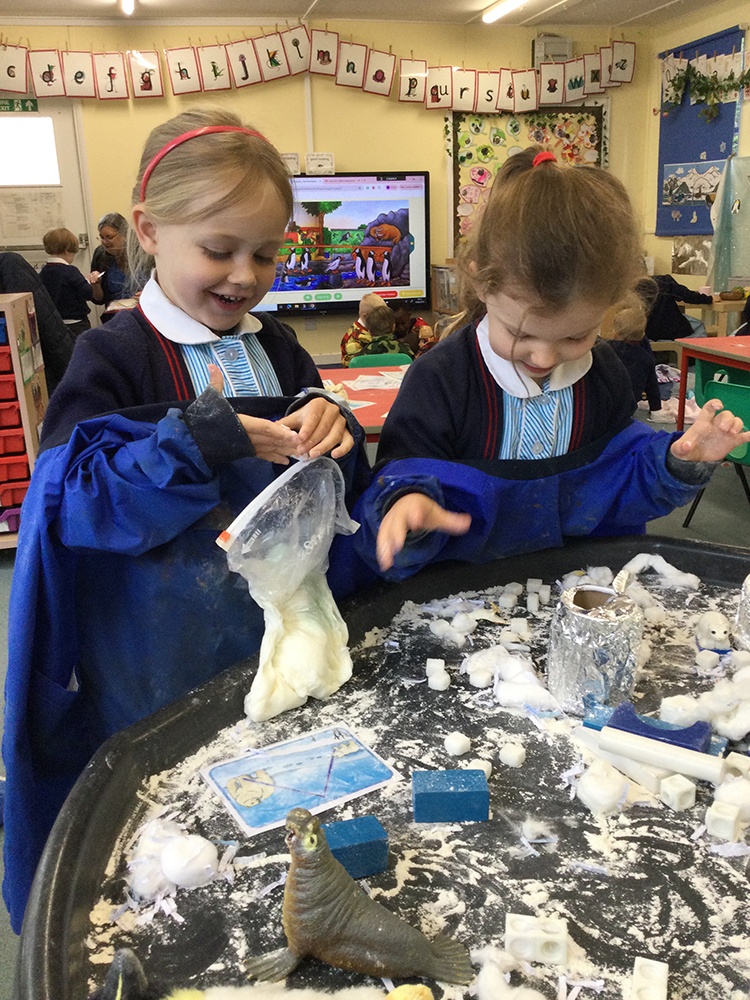
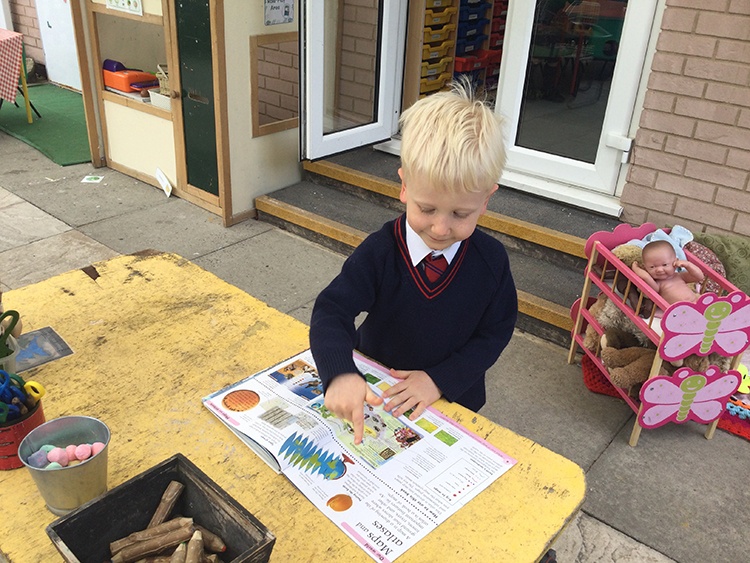
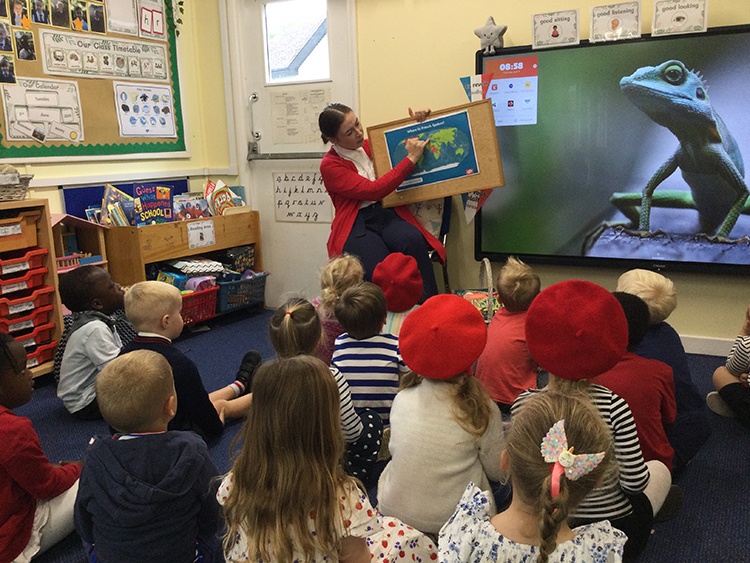
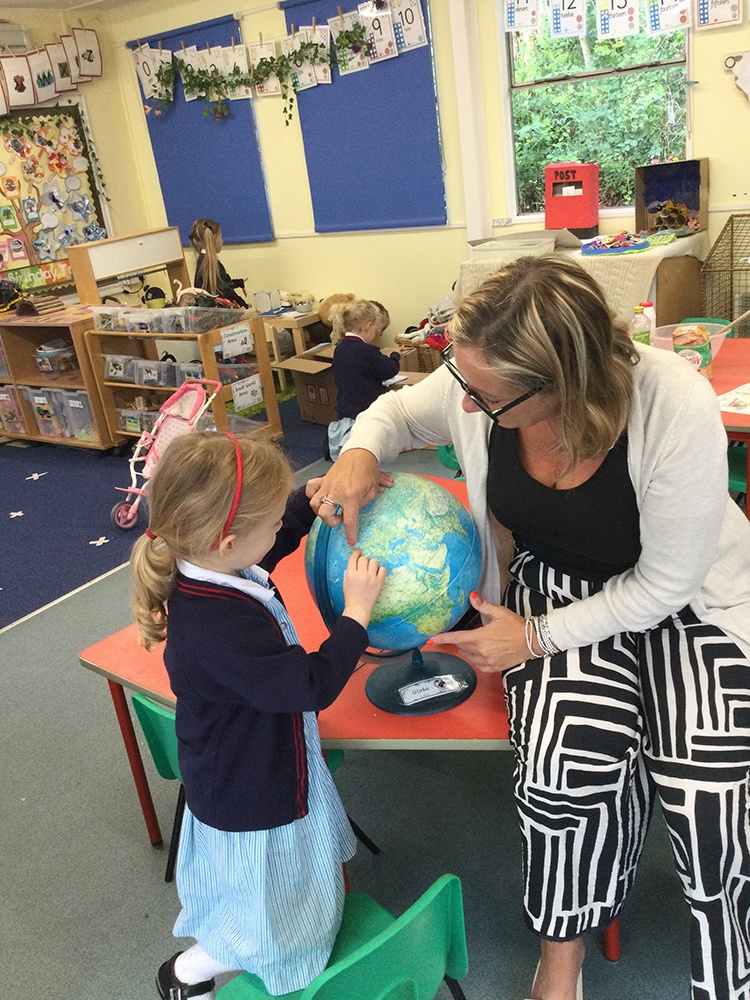
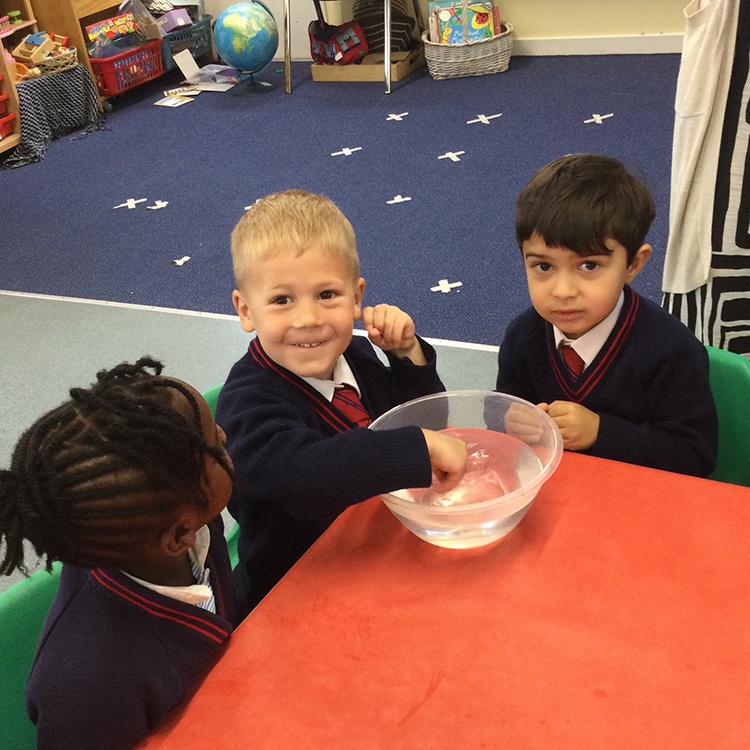
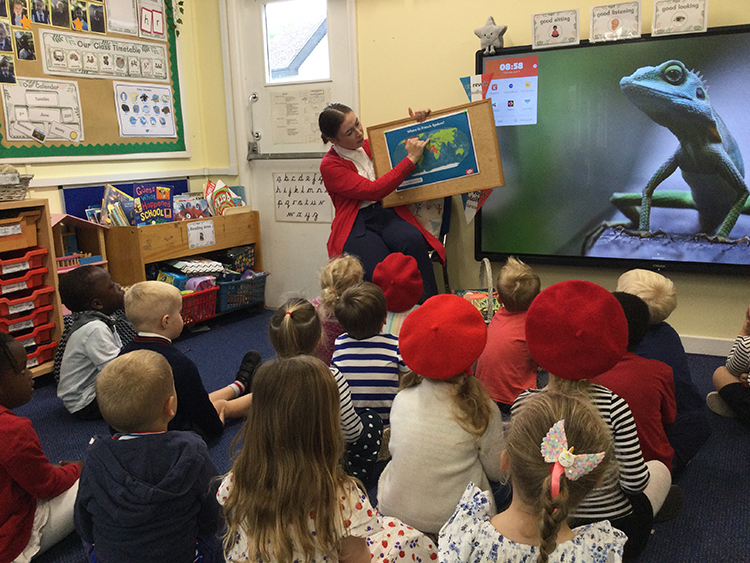 We started our week off by exploring where the poles are, what these habitats are like and which animals live there. We looked carefully at the globe to help us find which parts were snowy and which were not and we discovered that the poles are at the top and bottom of the Earth. We learned that they are very cold because they are covered in ice and snow and we explored how each animal was adapted to live in the cold climates there. We thought the word blubber was very amusing as we learnt about some animals which have blubber to keep them warm! To help our understanding, we
 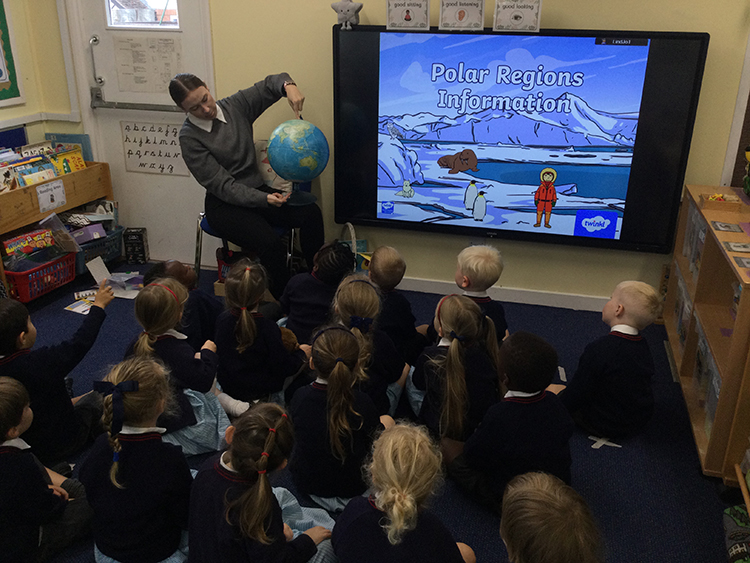 conducted an exciting experiment, wrapping our hand in blubber (lard) to see if it could keep us warm in the cold water – the children were very surprised to find that it did!
During literacy we read the tale of Jonty Gentoo, the Gentoo penguin. Jonty lived in the zoo, but he had heard tales of colonies of penguins living in the Antarctic, so he made his escape and set off on his adventure. During our story, Jonty headed in the wrong direction and so we learnt that different animals live at each of the poles, 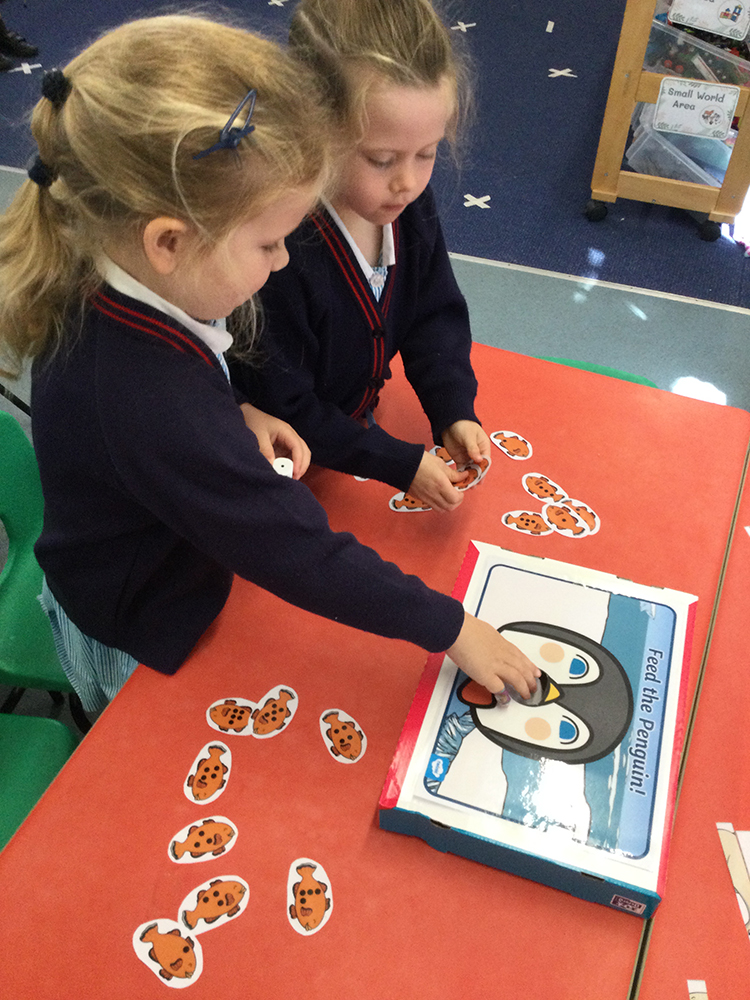 with polar bears at the North Pole and penguins at the South Pole. After Jonty Gentoo realised his mistake, he didn’t give up and he kept trying, crossing the tropical ocean. The children noticed that the animals here were not adapted for the snow, and we learned that round the middle of the Earth is very hot and it’s called the Equator.
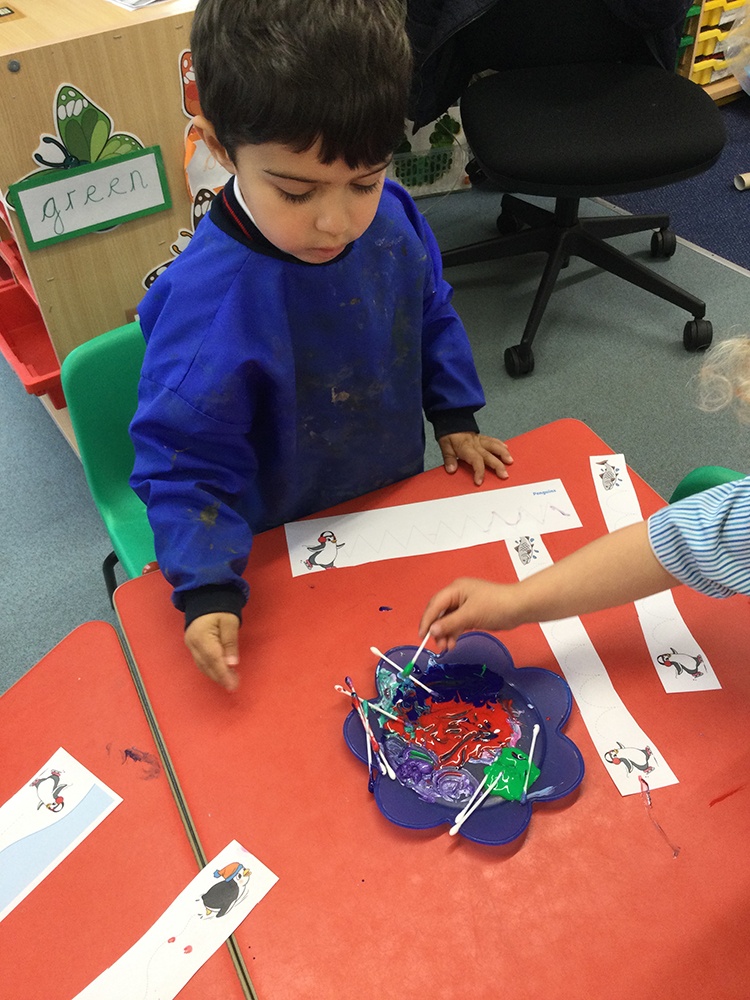
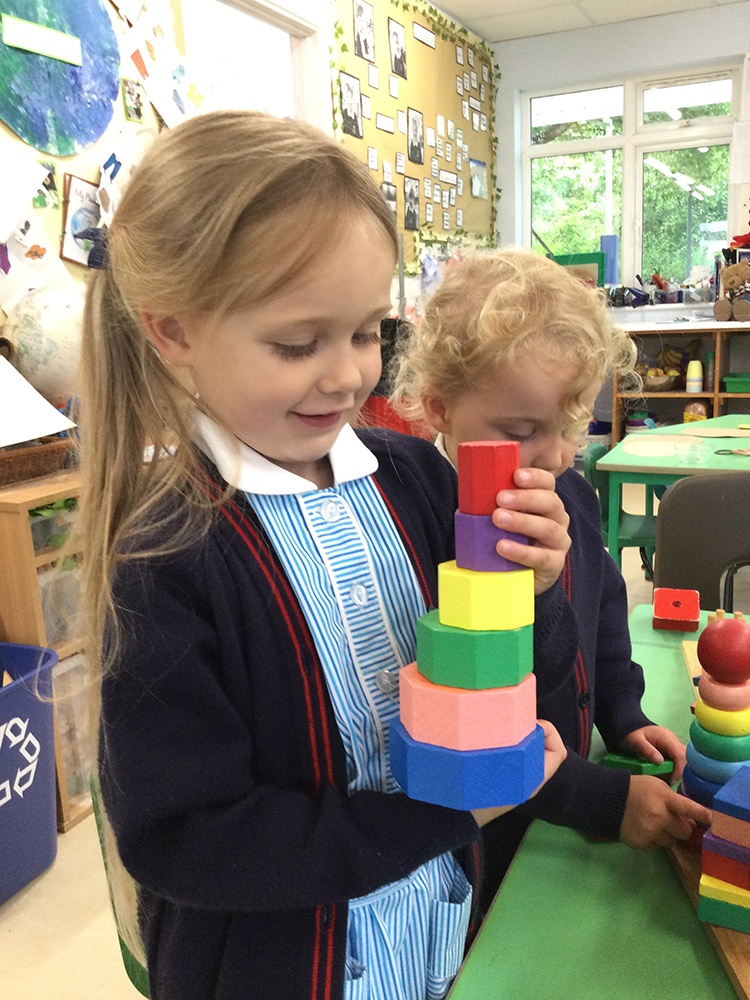
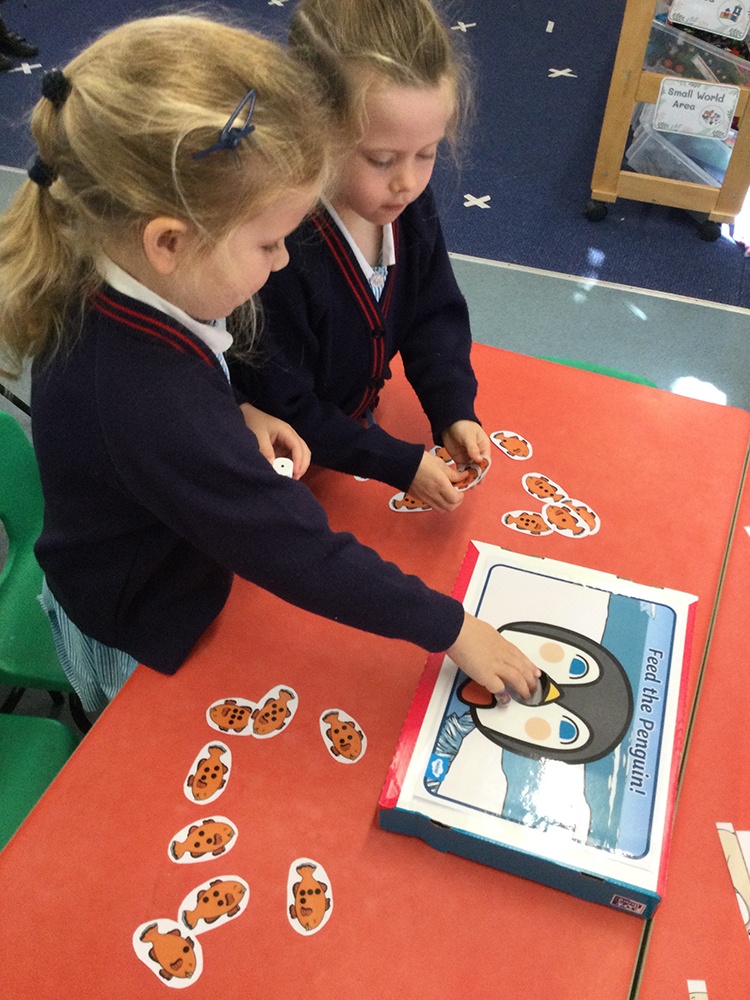
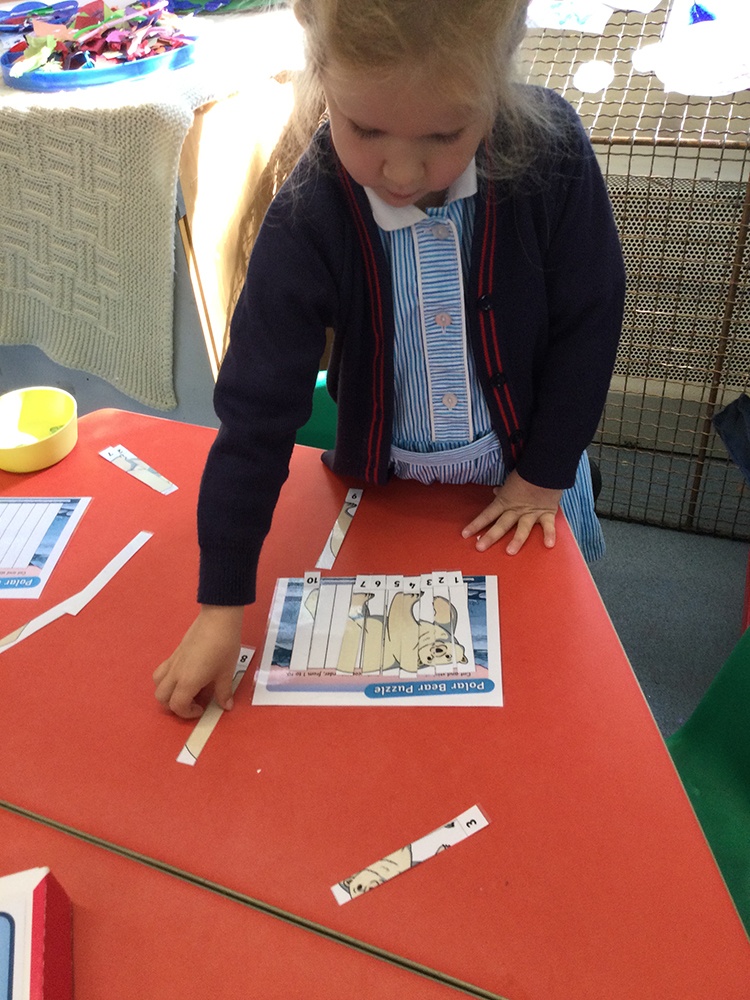
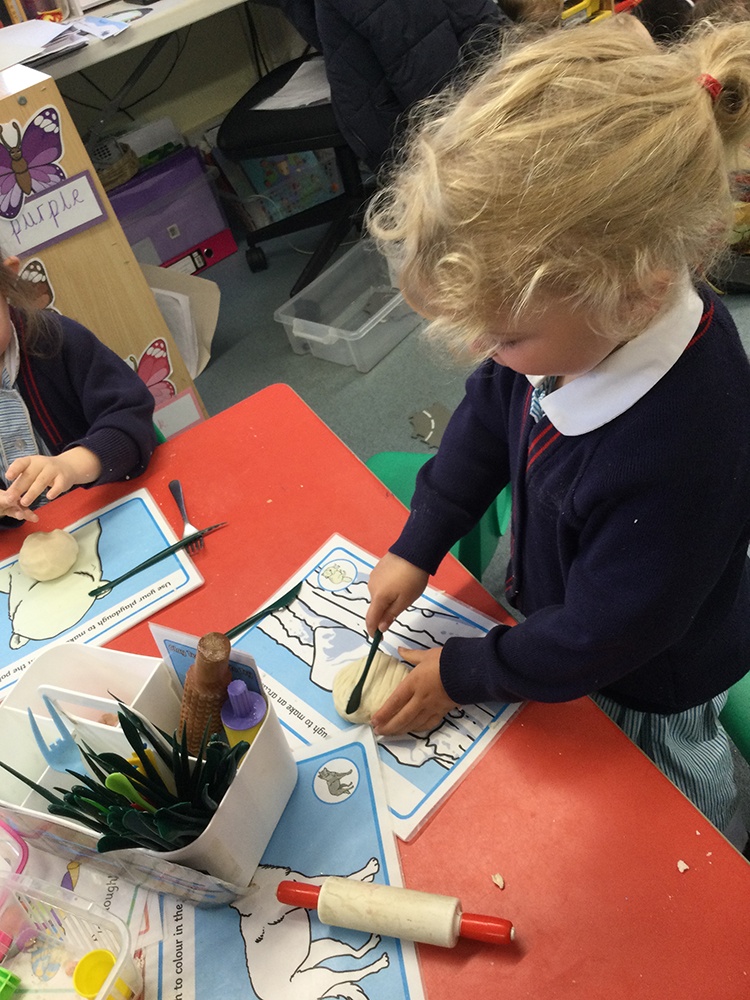
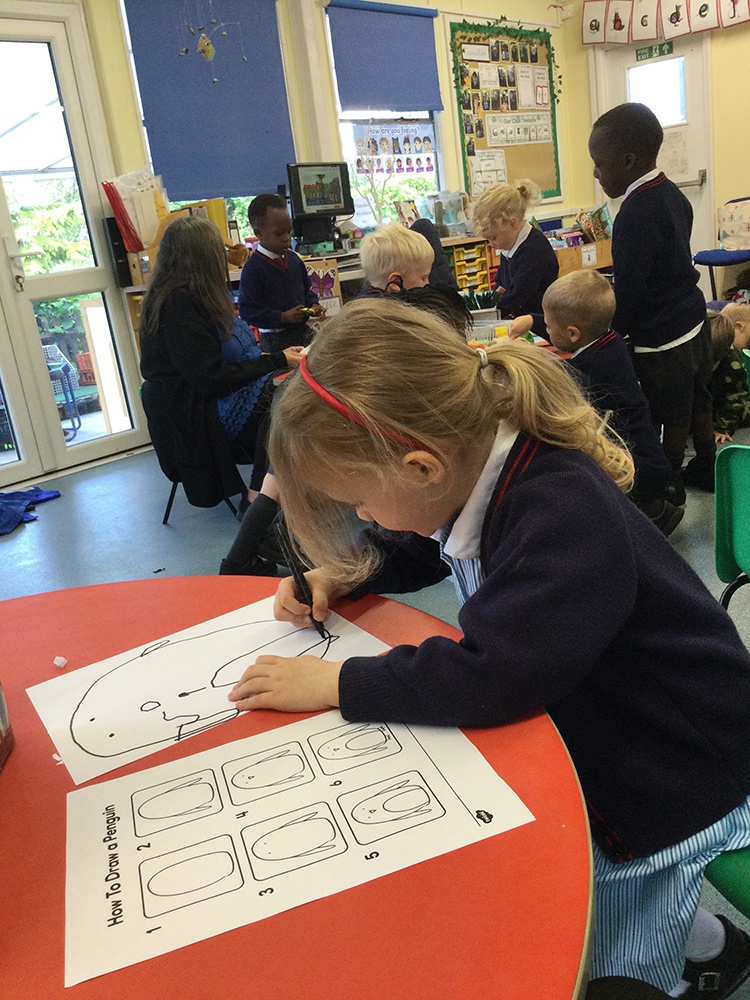
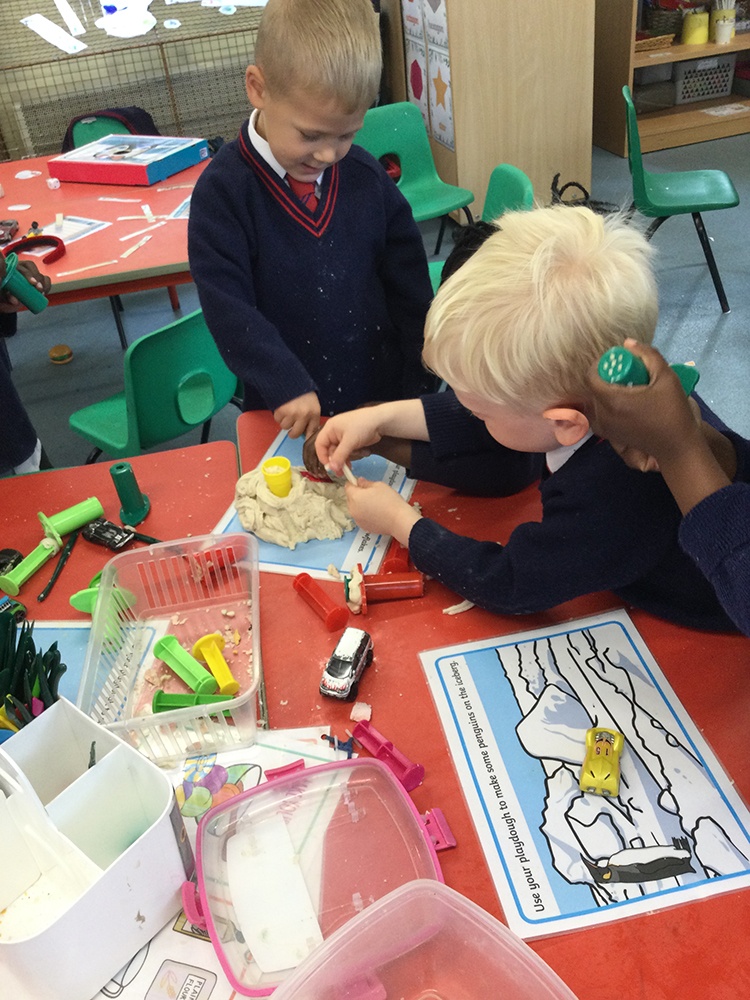
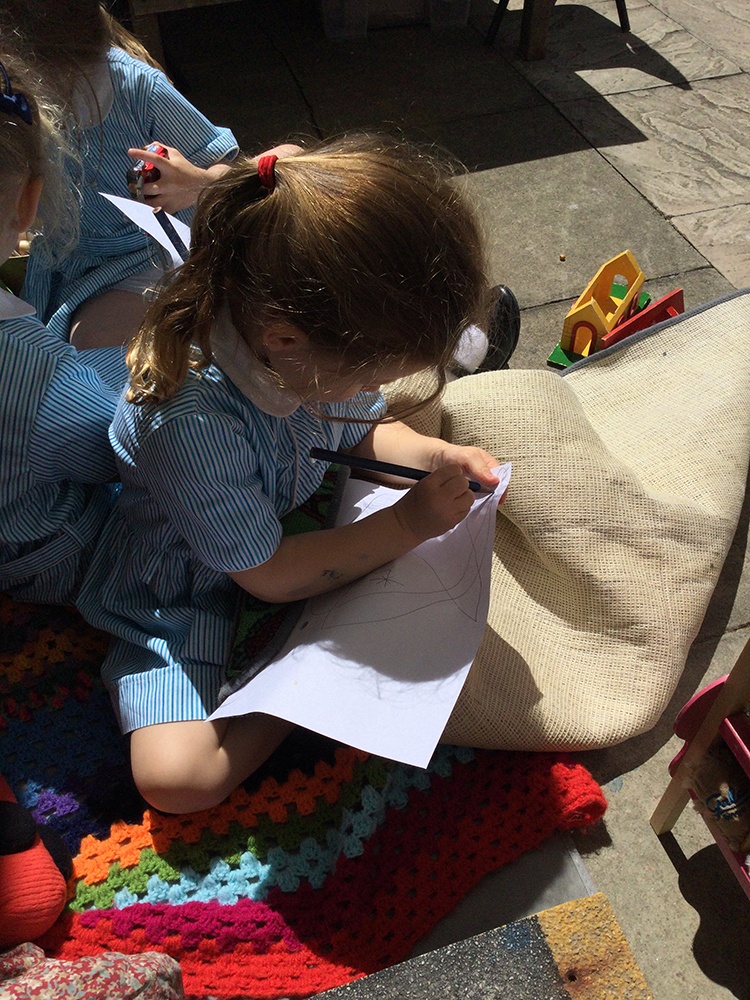
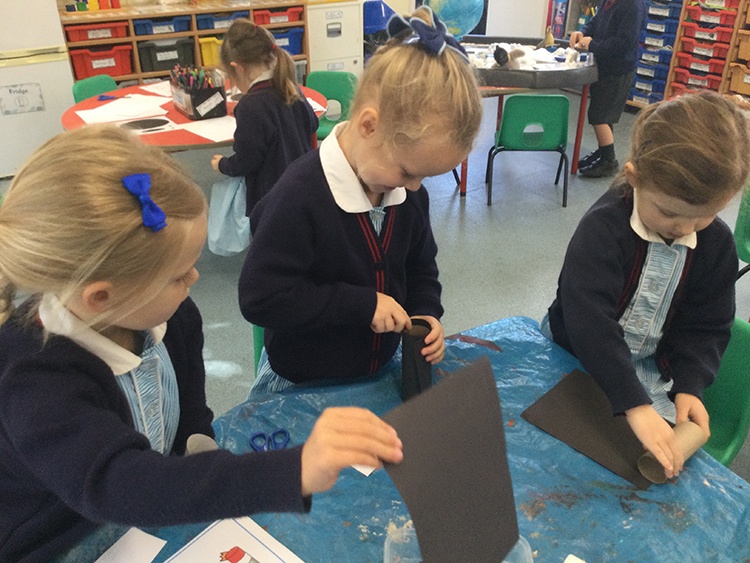
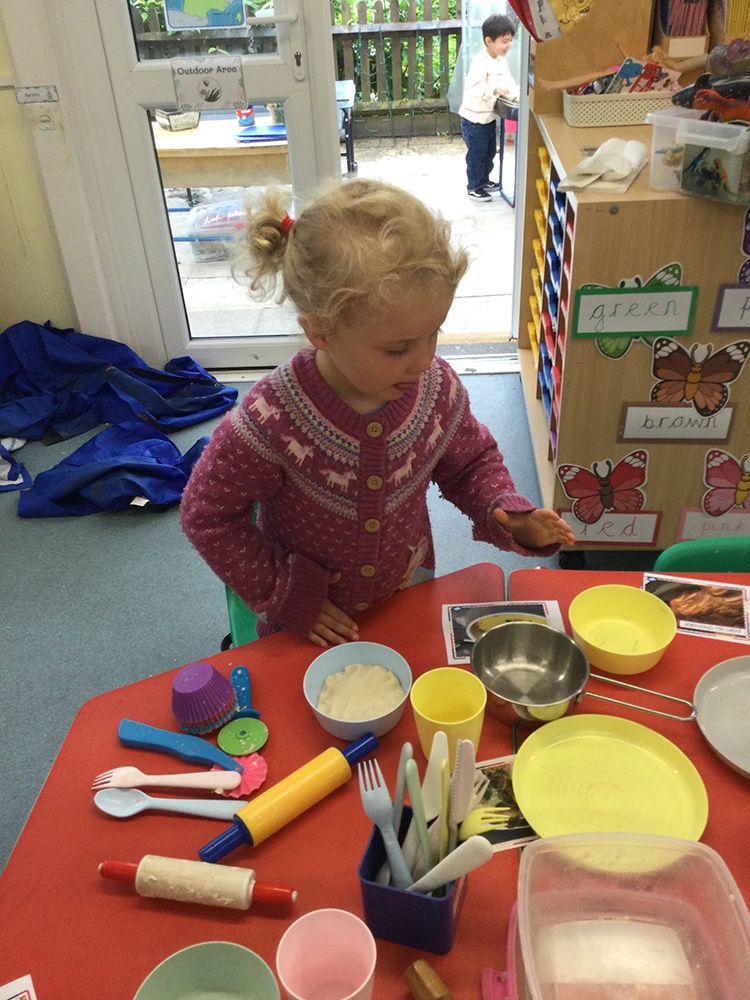
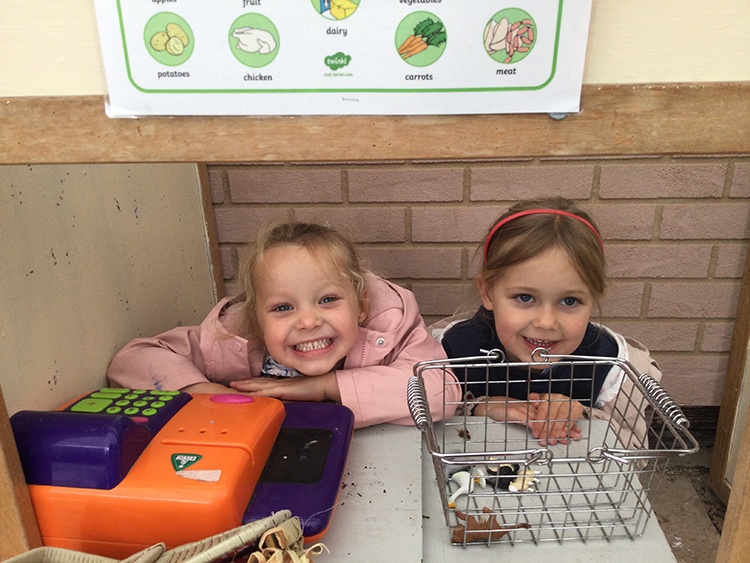
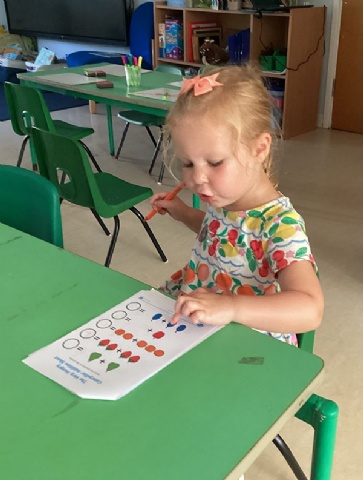
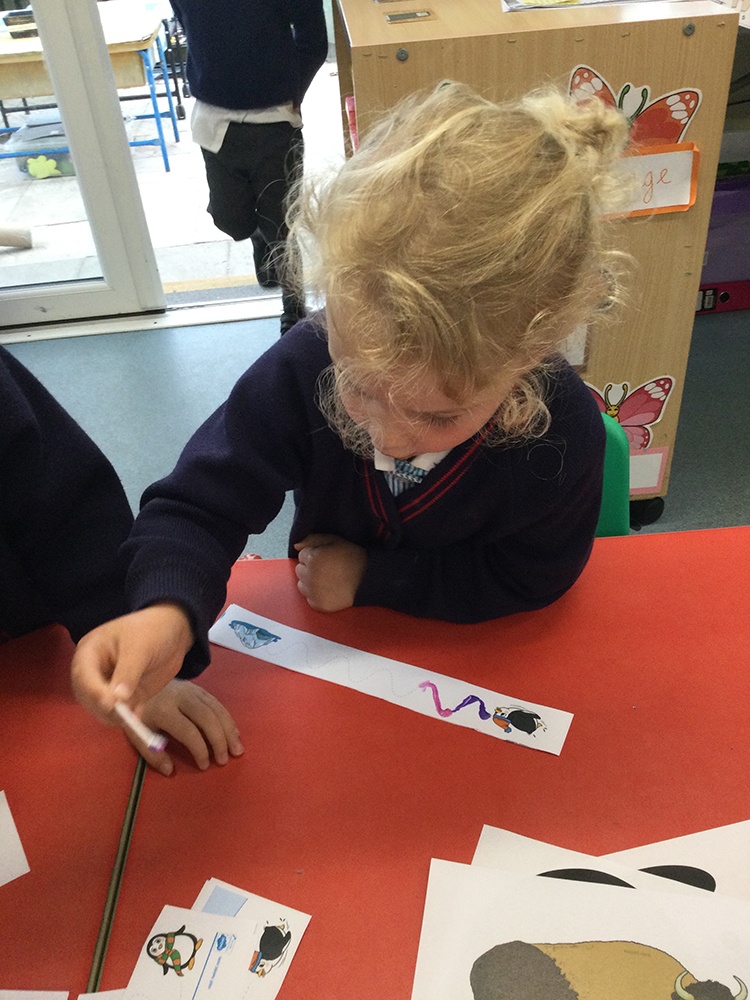
During their play, the children have been busy exploring the poles themselves as we visited the Arctic Cafe in the home corner, serving lots of delicious polar bear pops and penguin pastries to the hungry animals that came by. We have also been feeding the hungry penguins in our maths games, rolling the dice and carefully counting the correct number of dots on the fish to find the right fish to feed him. It got a bit tricky when we ran out of matching fish, but we persevered and used our problem-solving skills to add fish together to make the correct number of dots in total! Great work Transition. We also practised ordering numerals to complete the polar puzzle and practised our fine motor skills as we used the cotton buds and paint to trace over different patterns. Inspired by Jonty Gentoo, some of the children had a go at making their own penguins, either by drawing, cutting out the shapes, or by using the junk-modelling resources.
The children loved our phonics game this week, recapping some of the letter sounds that we have learned so far, along with our new sound b. The children had to run across the playground, choose an object, run back with it and decide which sound tray it belonged in. There were lots of rosy cheeks after three rounds of the game and some fantastic phonics work.
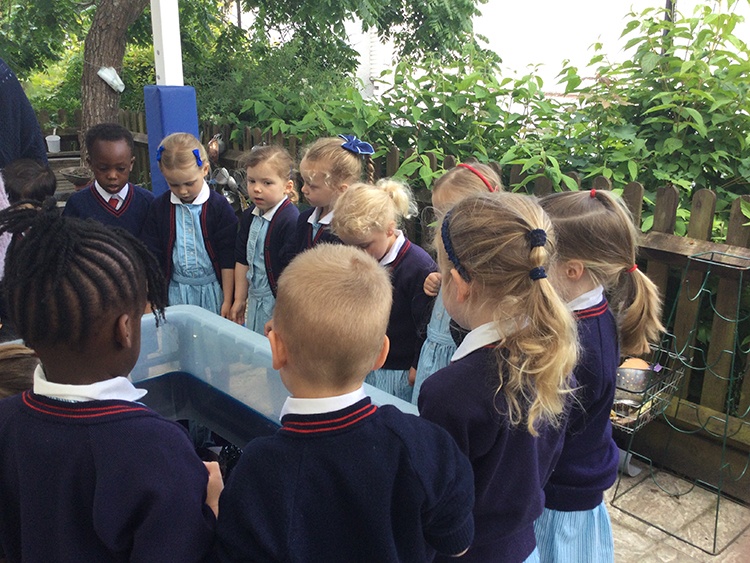
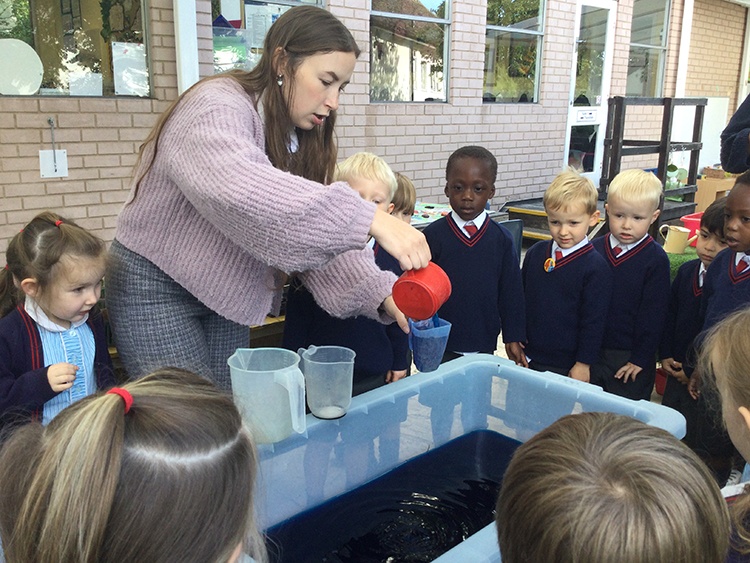
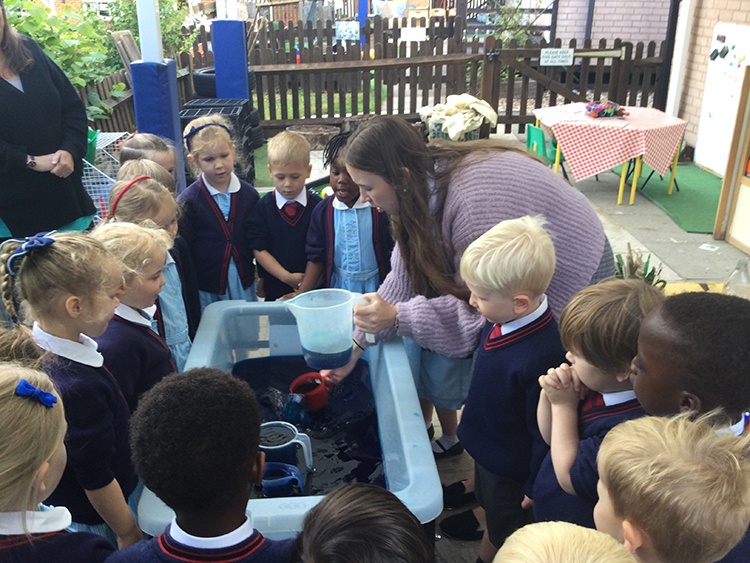
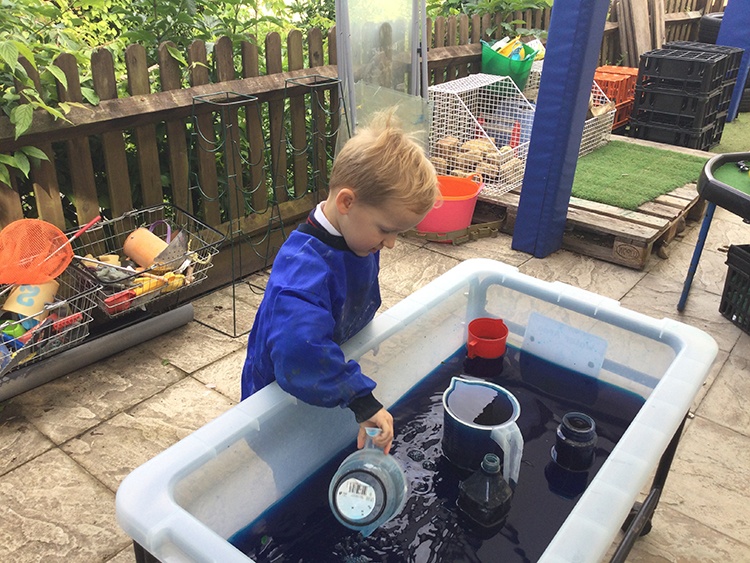
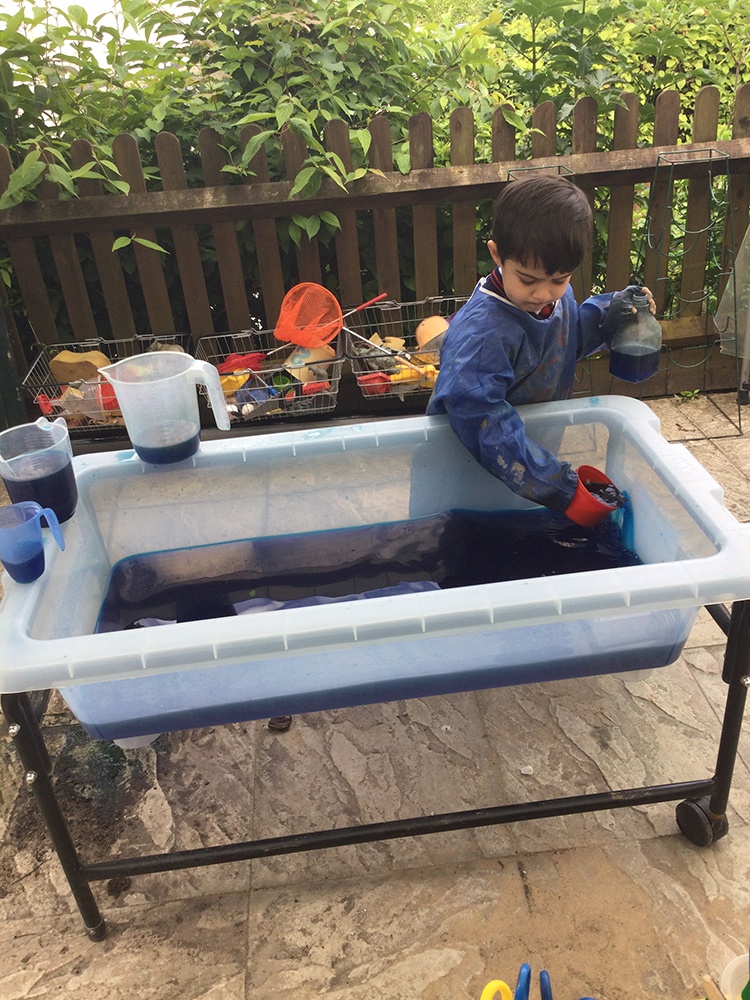
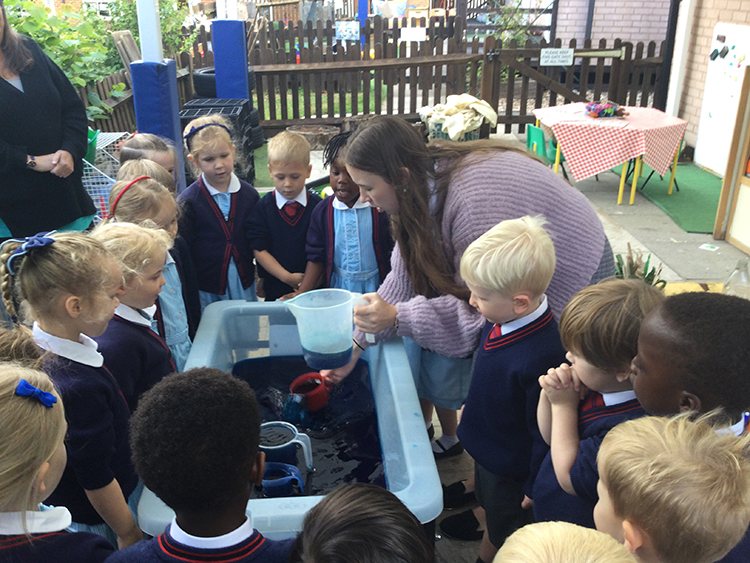 In maths this week, we began to explore capacity. We headed to the water tray and the children helped me to measure the capacity of three different jugs by counting the number of scoops that would fit in each. Our predictions were correct and the tallest jug held the most water. I then tried to trick the children by using two jugs of different shapes but I couldn’t trick them! The children knew that the two jugs were a very similar size, but they accurately predicted which would hold more water, with the biggest jug holding half a scoop more! Each time the children described my jug using fantastic mathematical
  language to explain what was happening and Mrs Nelson and I were very impressed by their vocabulary.
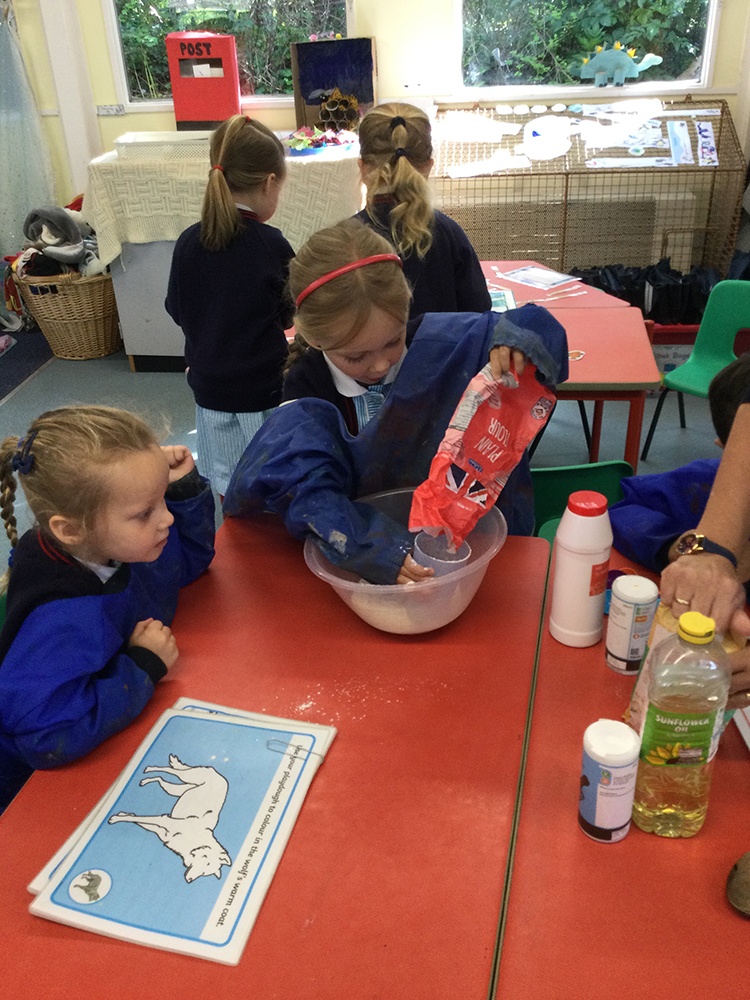
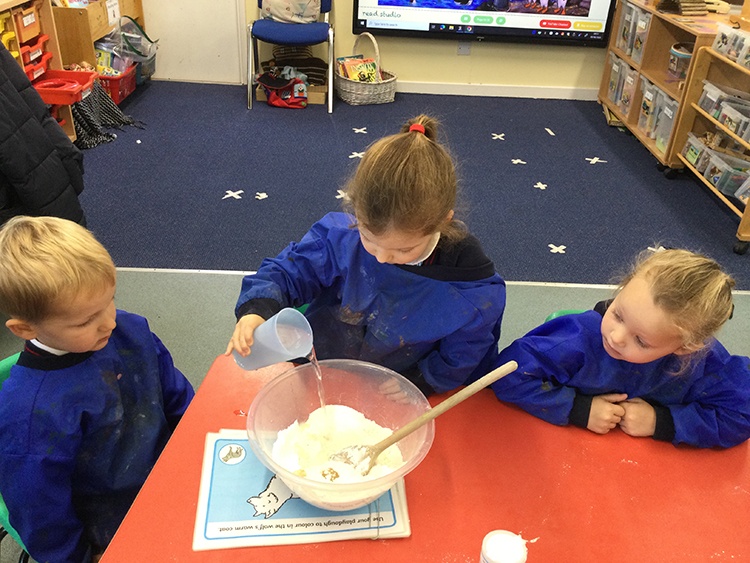
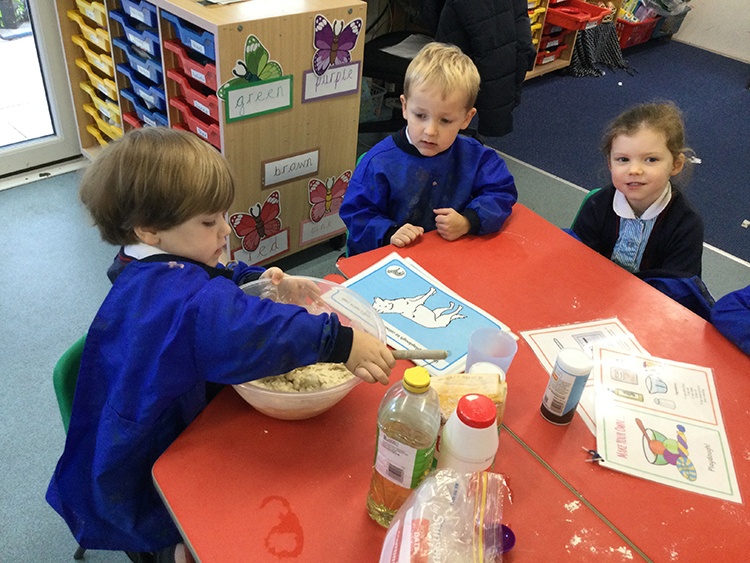
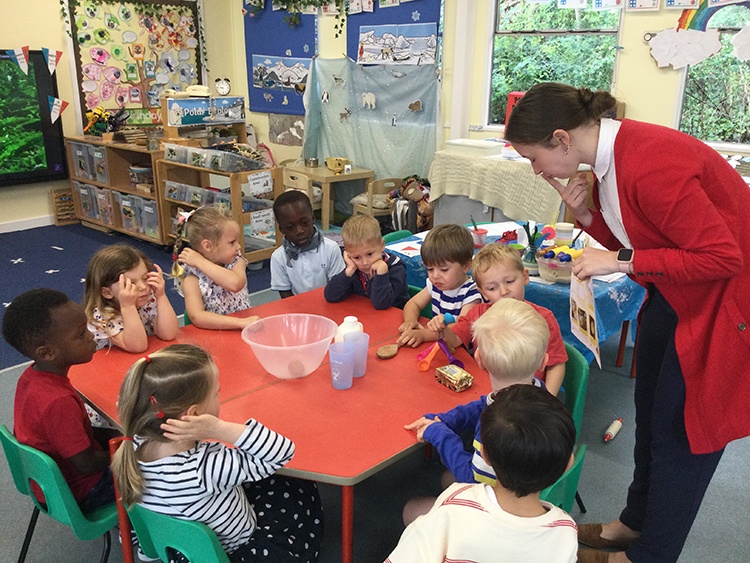
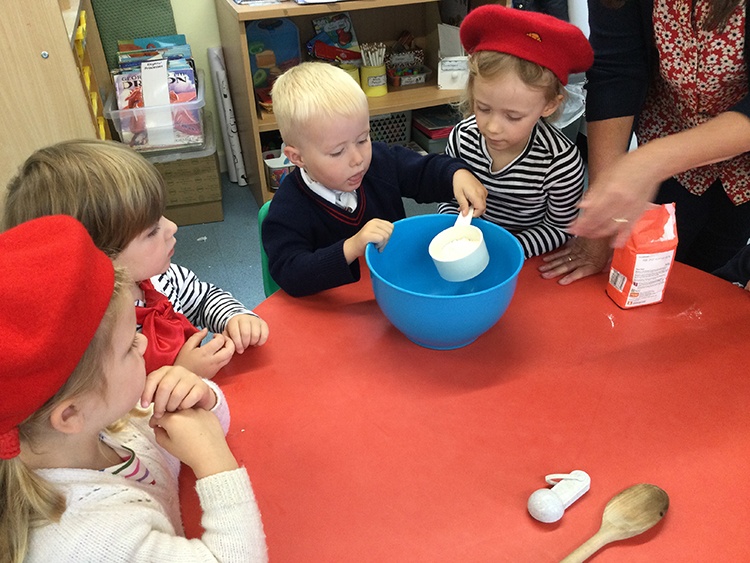
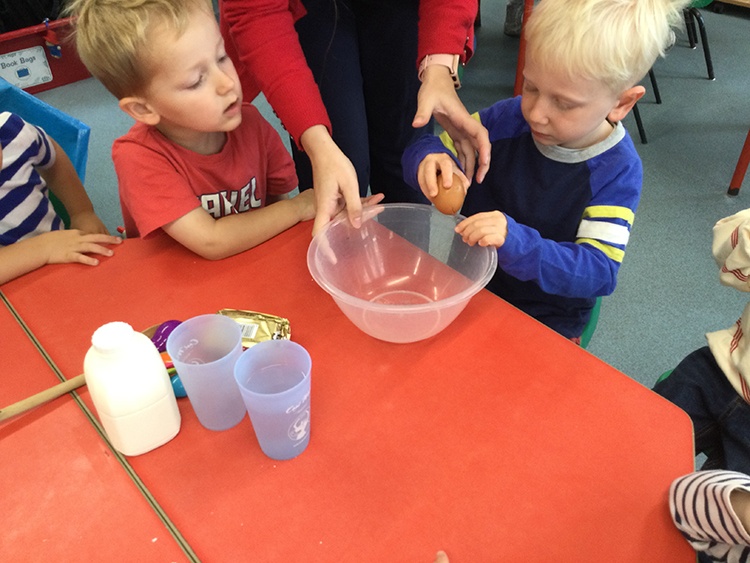
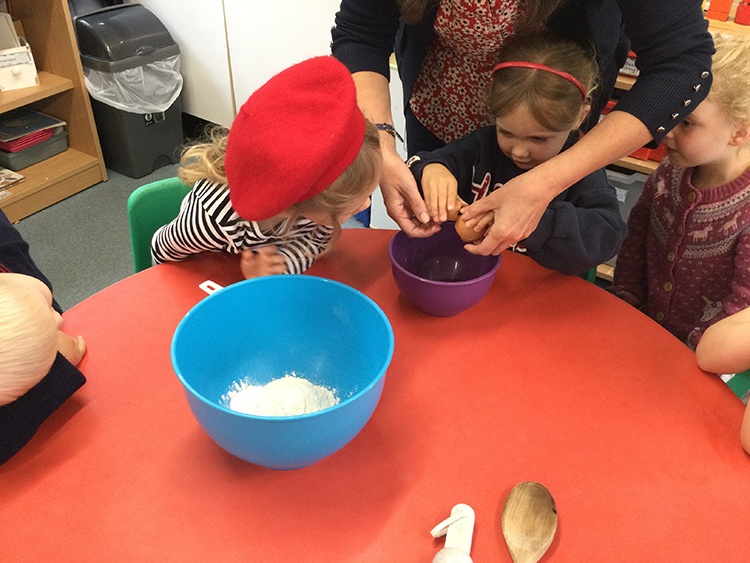
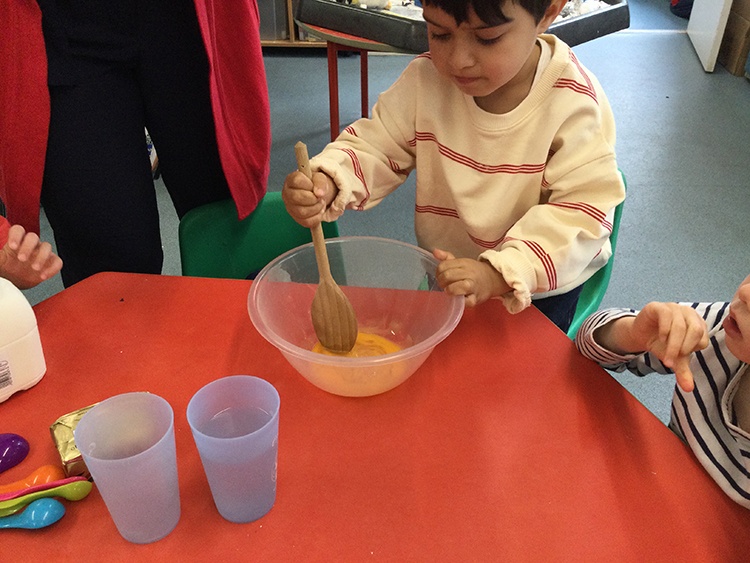
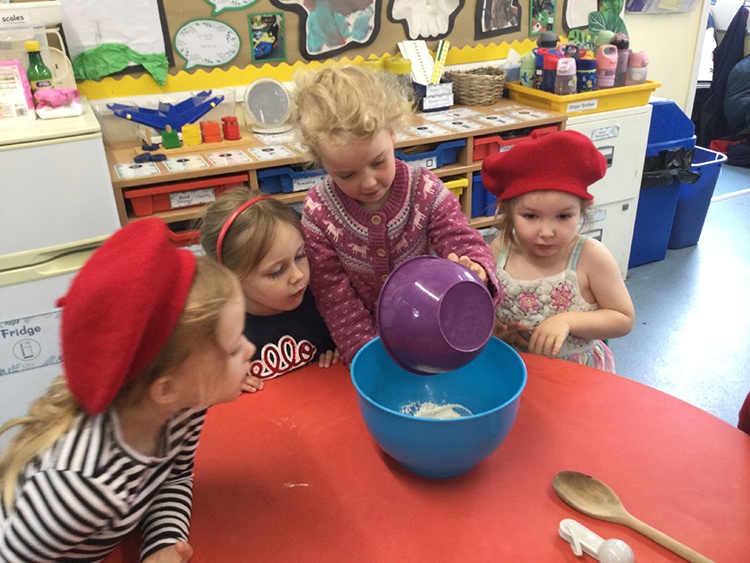
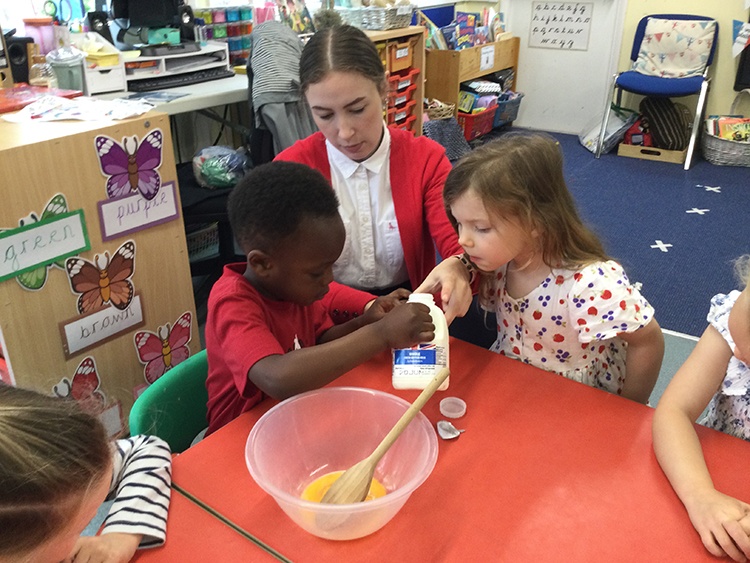
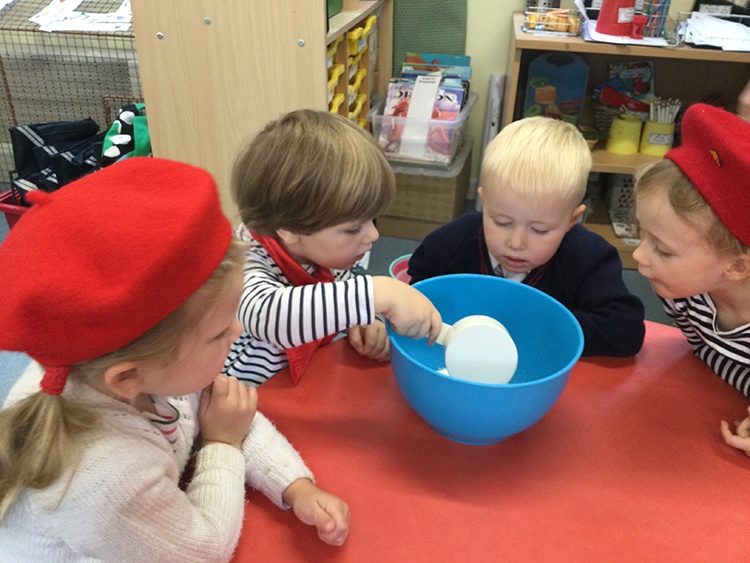
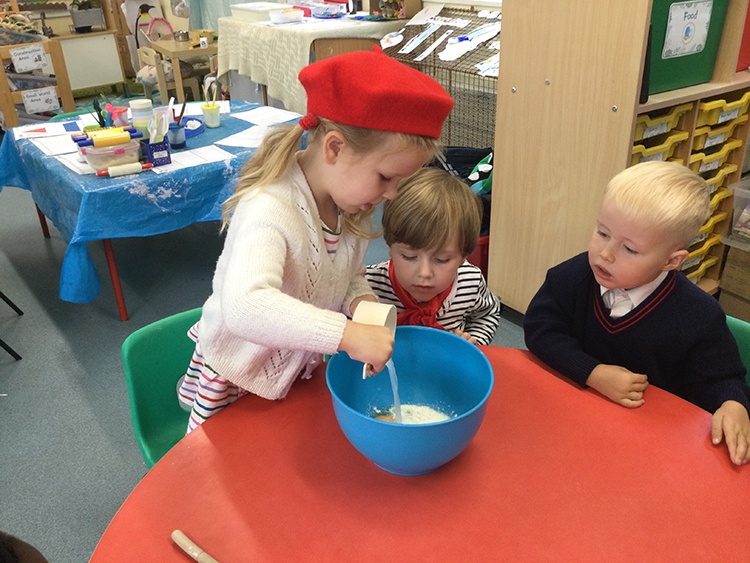
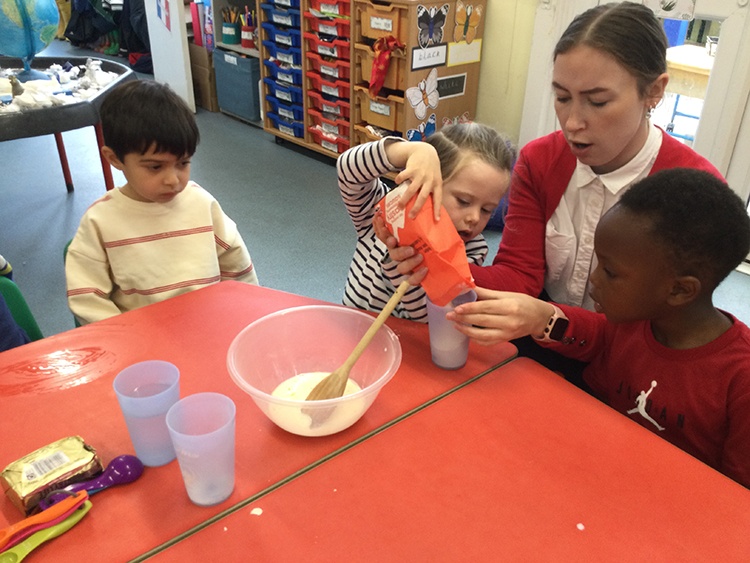
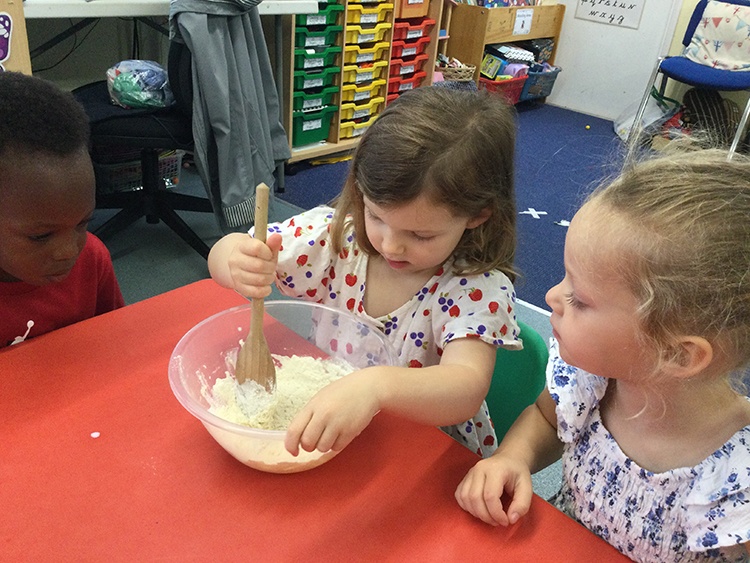
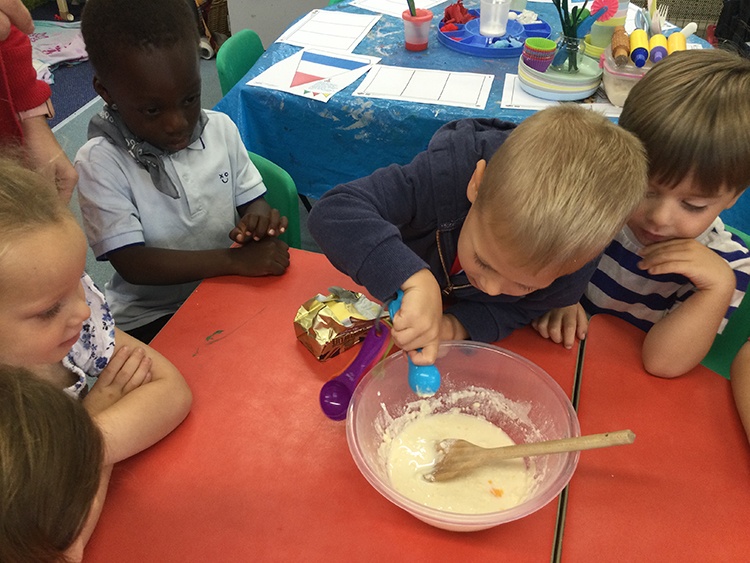
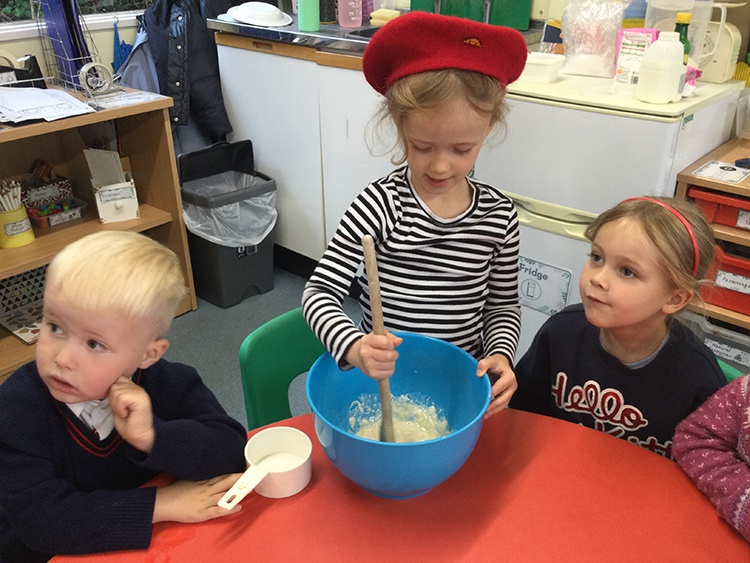
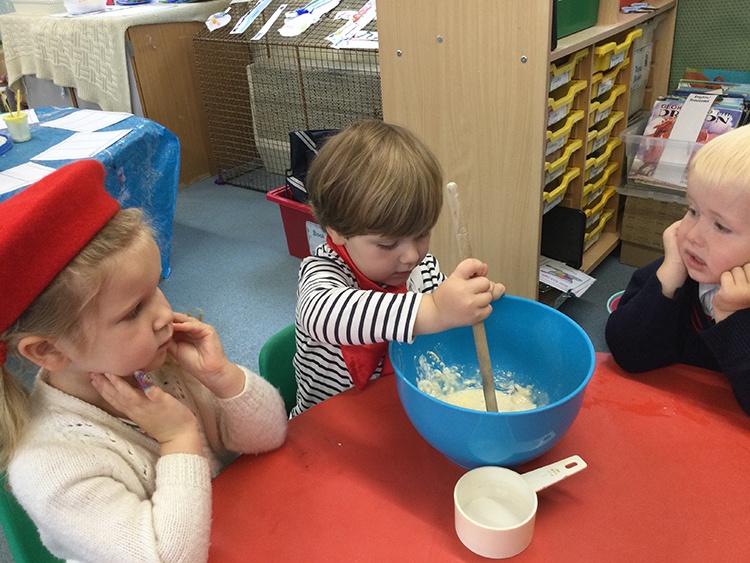
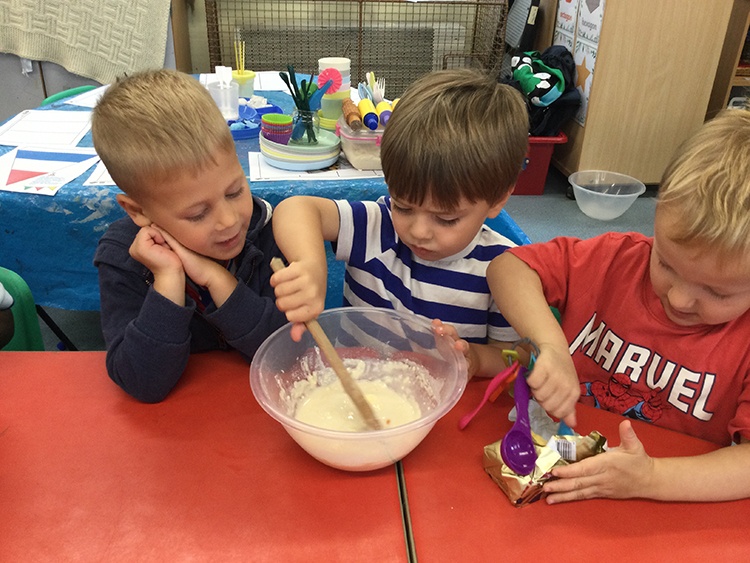
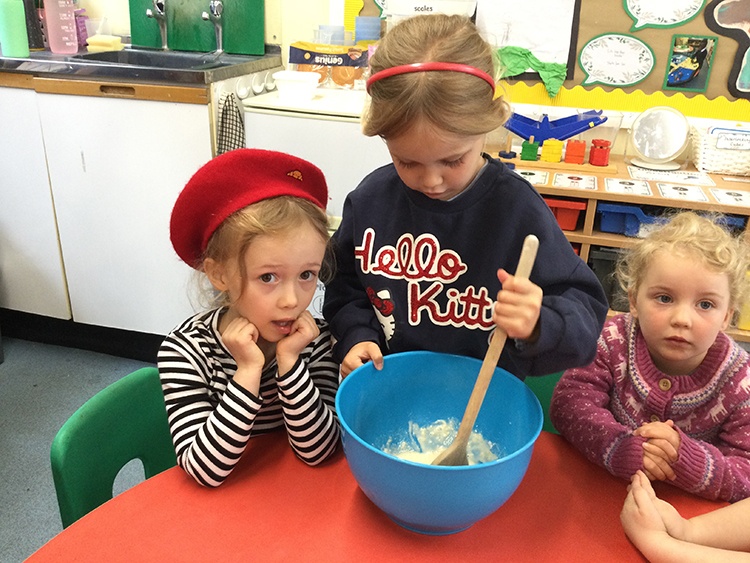
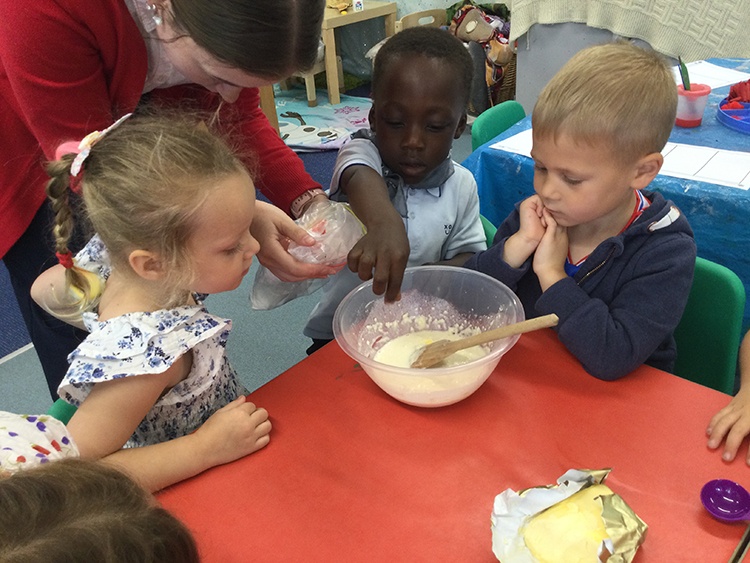
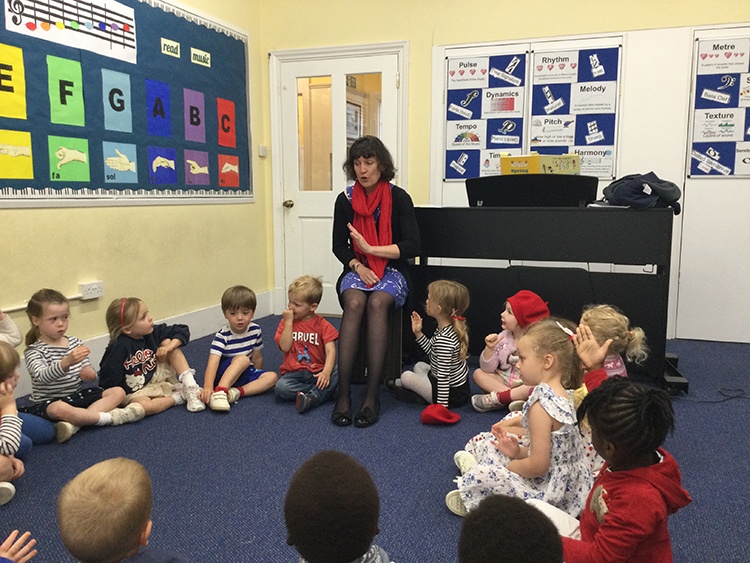
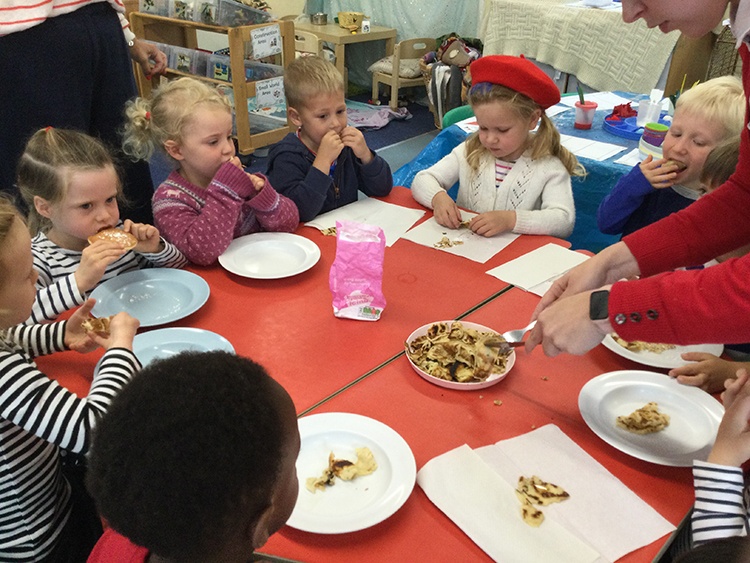
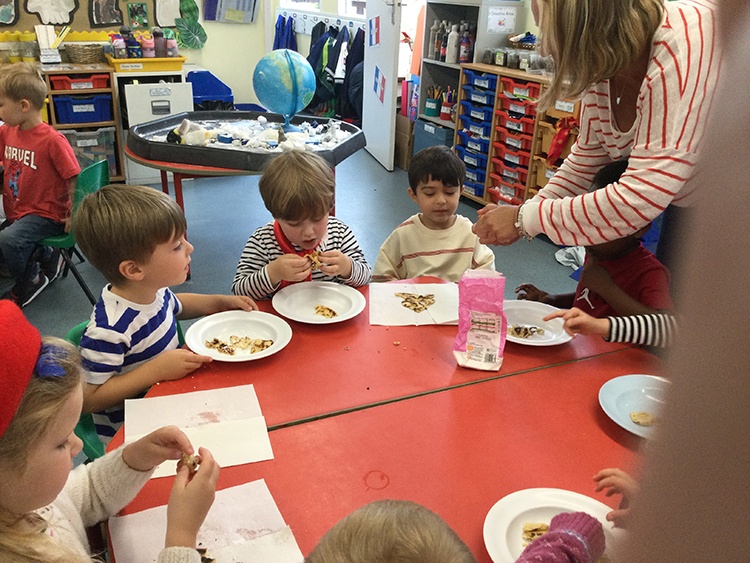
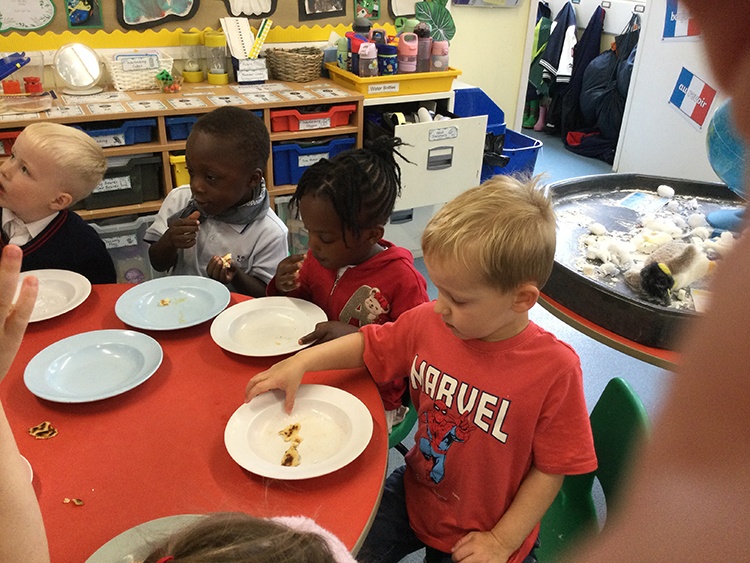
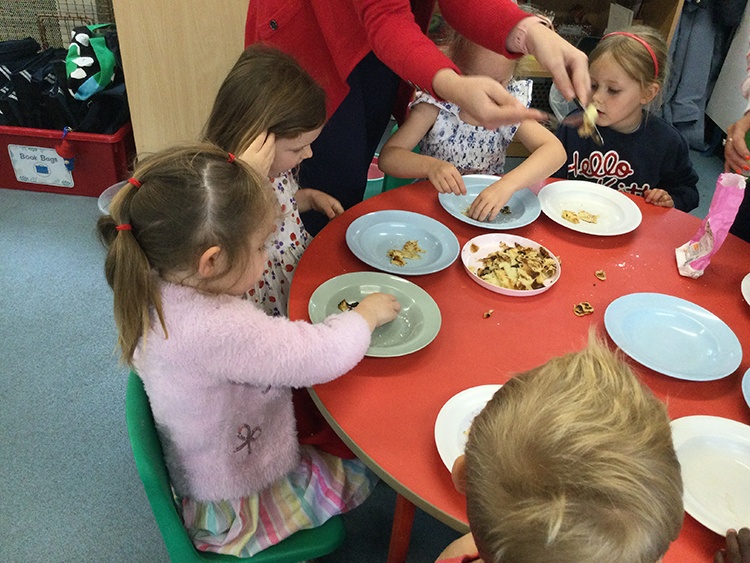
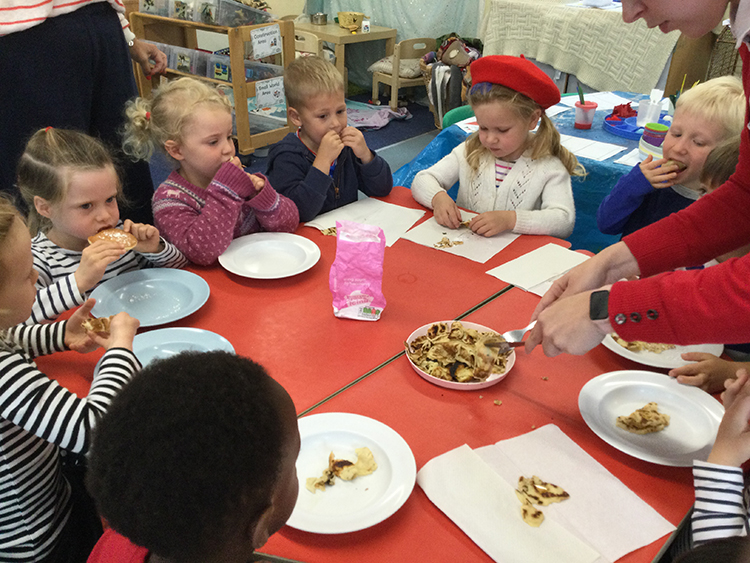
Thursday was a very exciting day at Russell House. It was French Day! To celebrate French Day, we listened carefully to some French speaking and had a go at learning some words ourselves. The children were excited to learn Bonjour, and they practised their speaking all day saying Merci to their friends and adults. The children looked fantastic in their French colours and we had a go at using these colours to make our own flags to decorate the classroom. We also decided to immerse ourselves in French culture and we made our own crêpes! The children took turns to carefully weigh and mix the ingredients and we loved giving them a taste!
.JPG)
.JPG)
.JPG)
.JPG)