Yellow and golden hues
13 Mar 2026Form 5's assigned colour for Science Week was yellow.
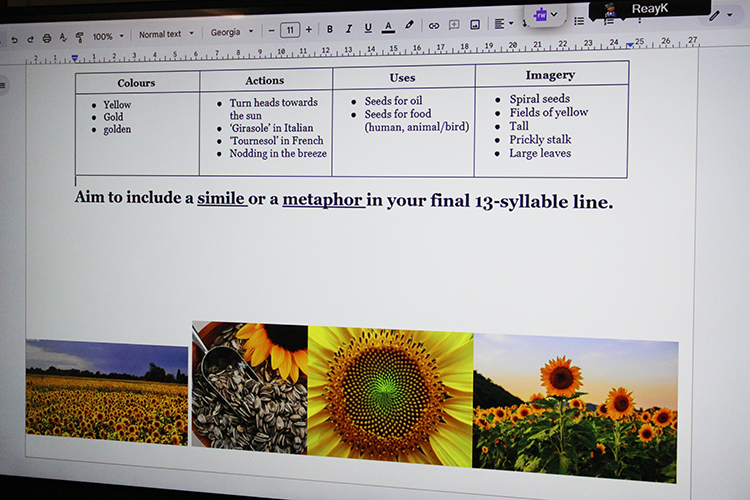
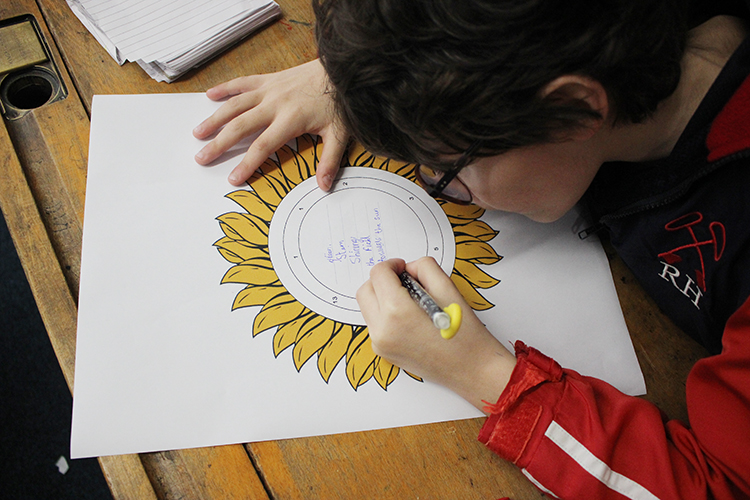
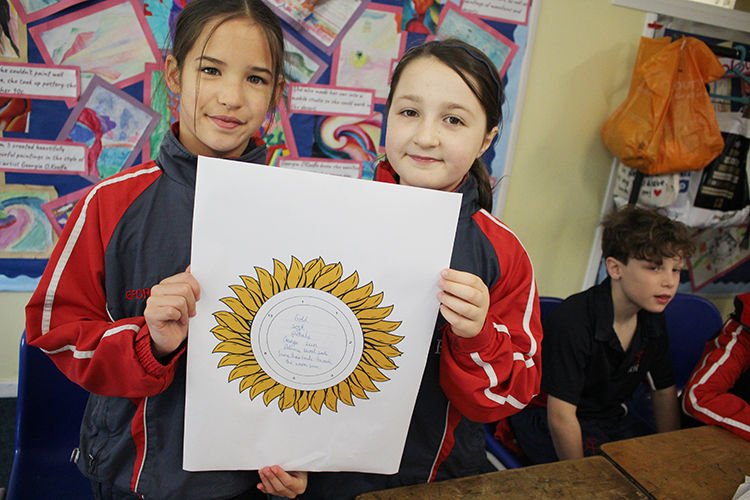
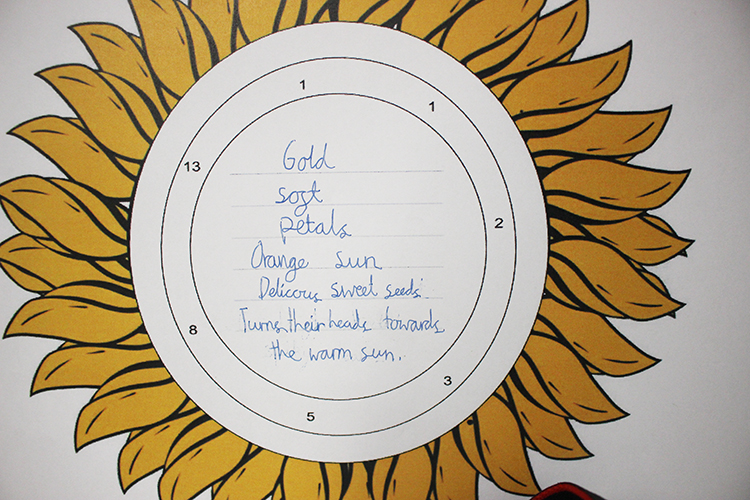
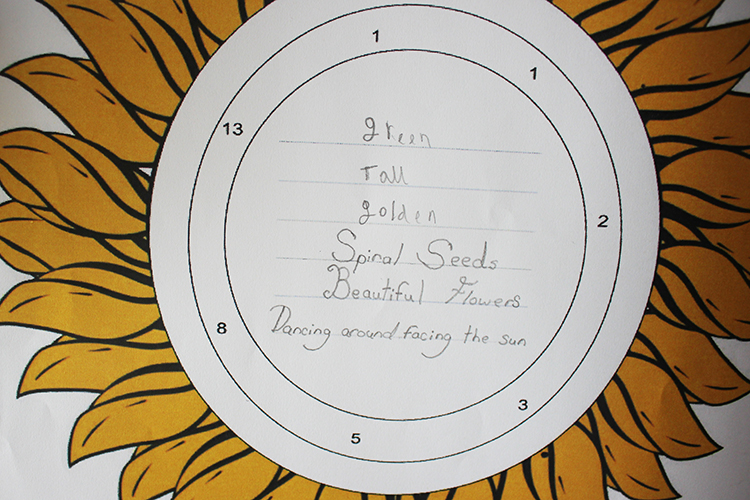
As part of Science Week and on the theme of yellow, Form 5 have been learning about the Fibonacci sequence in their maths and English lessons. Beginning by spotting patterns in the sequence, which allowed them to calculate further terms, the children used their numbers to draw spirals. These spirals were likened to naturally occurring spirals in nature, such as in the layout of the seeds in a sunflower, the positioning of the scales on a pine cone and the shape of a snail shell, which all use the intervals of the Fibonacci sequence. This work was then transferred into English lessons, where the class were tasked with creating a poem about sunflowers. The terms of the Fibonacci sequence dictated how many syllables the children were allowed to use on each line. This creative activity sparked a lot of interest and the boys and girls enjoyed trying to adapt their descriptive phrases to the rules of the poem.
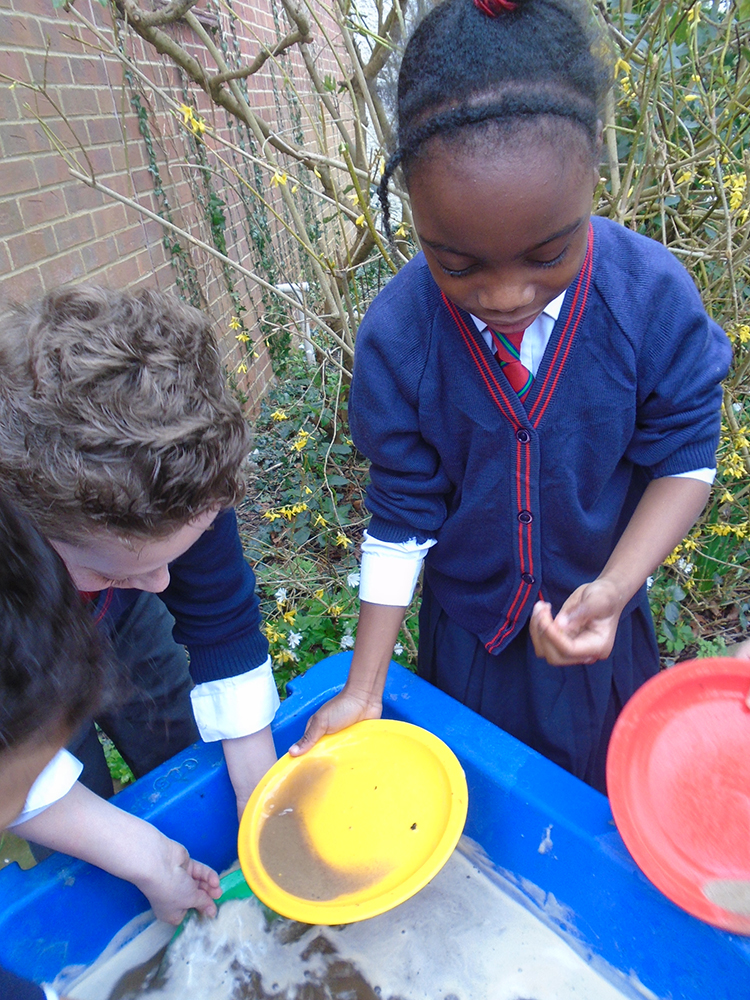
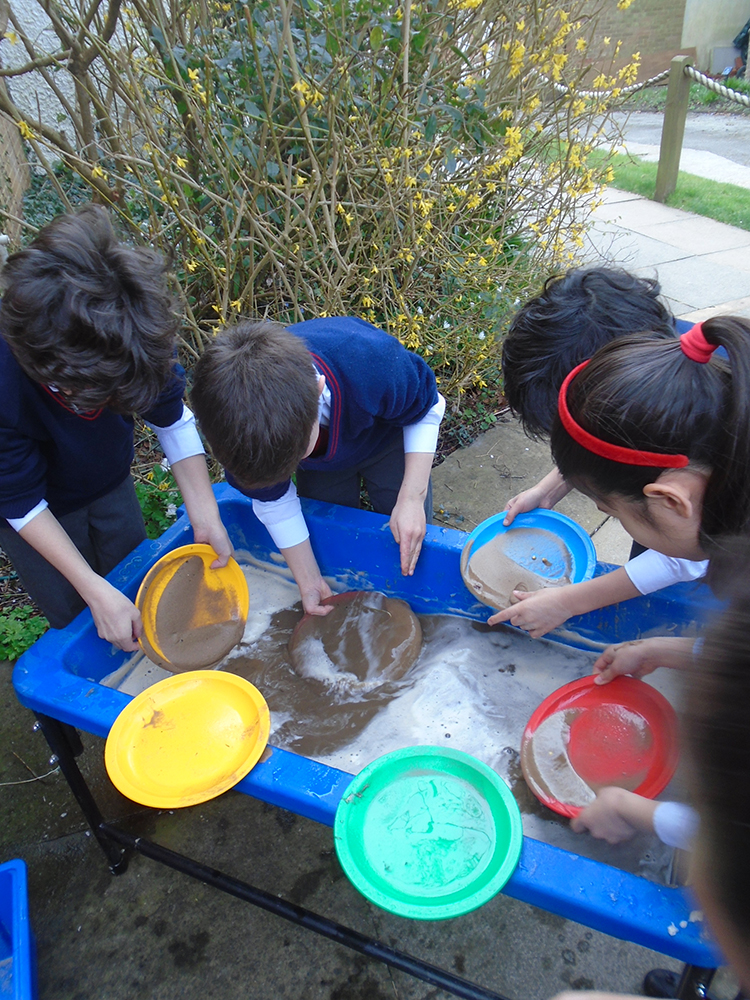
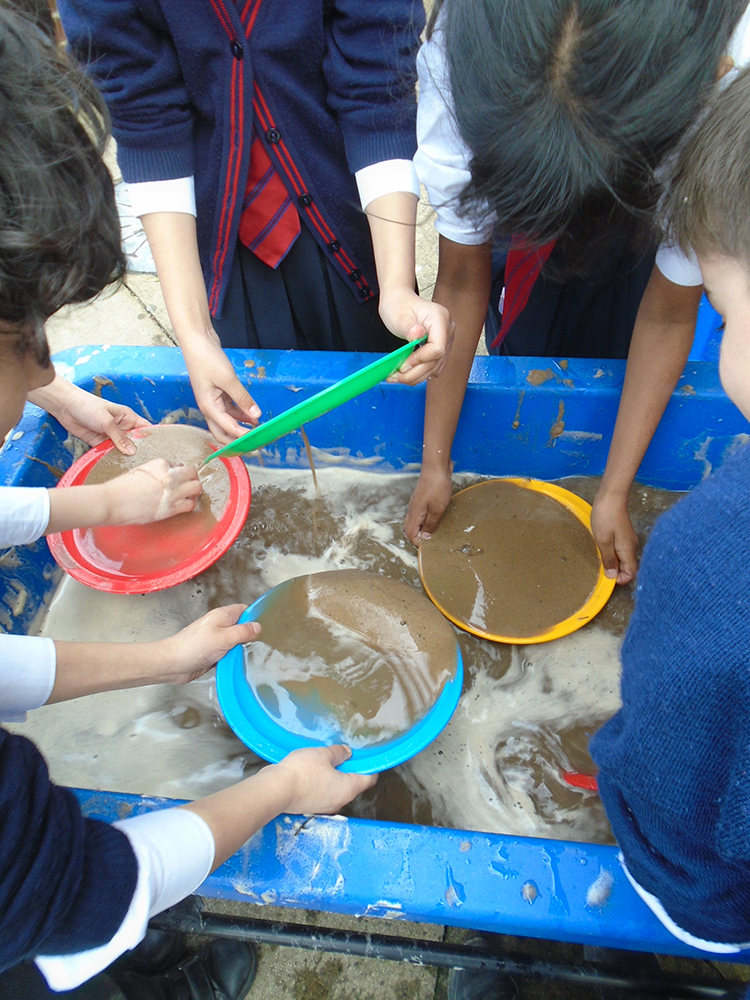
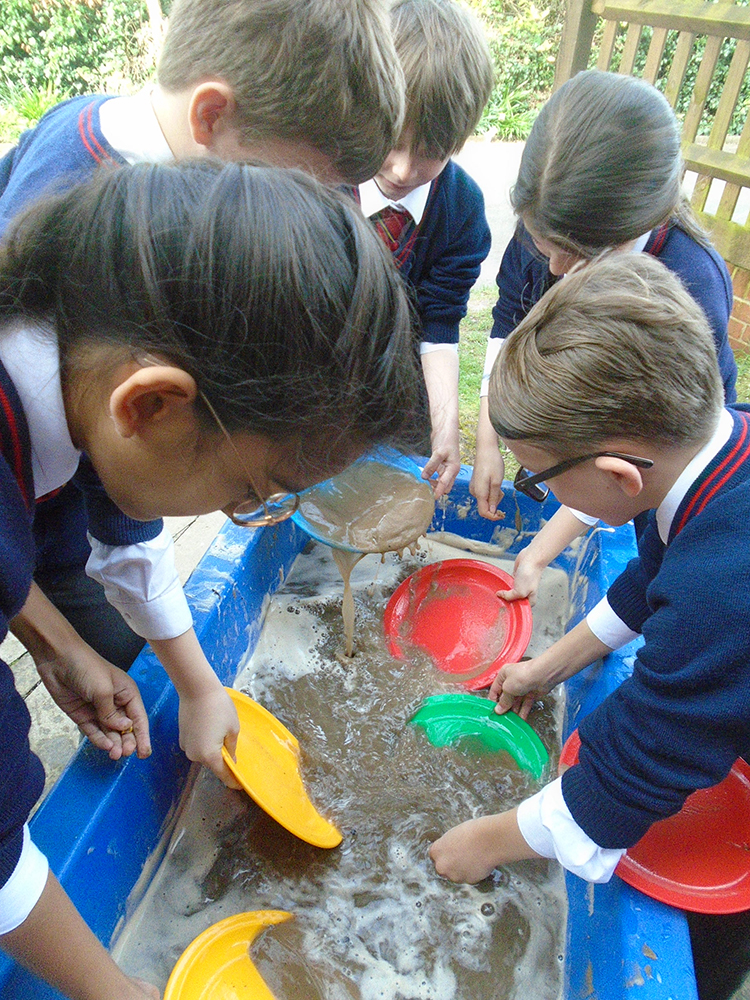
Moving from yellow to other golden hues, Form 5 explored the question: What makes gold so valuable? In their humanities lesson, pupils learned about the Gold Rush and why people travelled across the world hoping to find gold. They then carried out their own gold panning investigation using trays of sand and water. By swirling the sand carefully, pupils discovered how heavier gold pieces sink to the bottom. This helped them understand the scientific idea of density and why gold can be found in riverbeds. The activity helped pupils connect the science of materials with the history of the Gold Rush.